Facebook accounts are still common targets
Even with the growth of other social networks, Facebook still holds millions of personal and business accounts.
Because of this, account breaches continue happening every day.
In many cases, users only notice the problem when:
- • They can no longer access the account
- • The password has been changed
- • Friends receive suspicious messages
- • Strange posts appear on the profile
Try to recover the account immediately
The first step is to access Facebook’s official recovery page.
Provide:
- • Your email
- • Your phone number
- • Your account name
If the attacker has not changed everything yet, you may be able to reset the password quickly.
Check the linked email account
In many attacks, criminals attempt to change the main email associated with the account.
Look for Facebook emails mentioning:
- • Password changes
- • New connected devices
- • Email address changes
Some emails contain links that allow you to reverse recent changes.
Change your email password too
This step is extremely important.
Many Facebook breaches actually begin with the user’s email account.
If the criminal has access to your email, they can reset almost everything.
Enable two-factor authentication
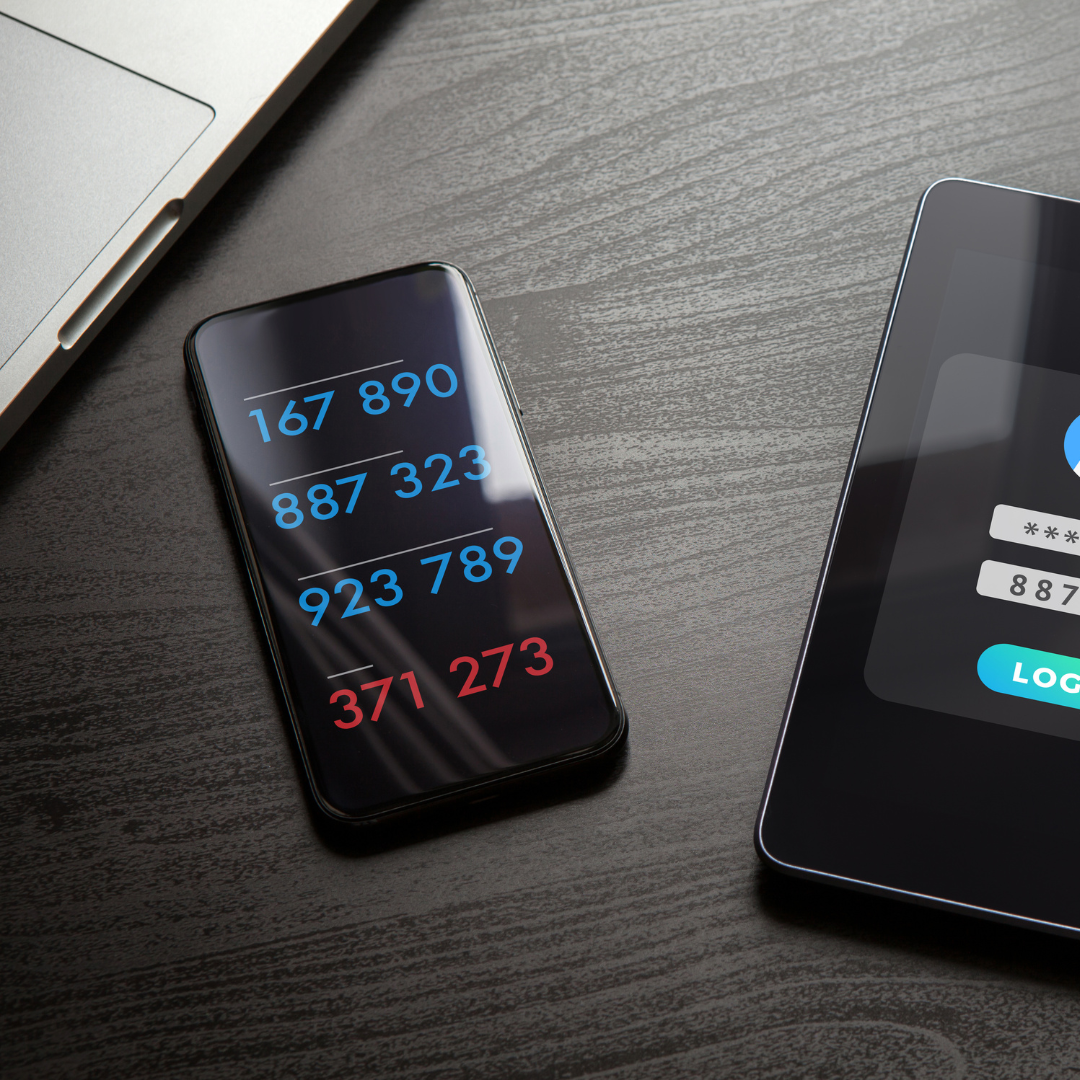
After recovering the account, activate 2FA immediately.
This adds an extra layer of protection during login.
Even if someone discovers your password, they will still need the additional verification code.
Disconnect suspicious sessions
In Facebook settings, there is a section showing connected devices.
Remove unknown access and log out of all suspicious sessions.
Warn friends and family
Many criminals use hacked accounts to apply scams.
The most common scams involve:
- • Fake Pix payment requests
- • Malicious links
- • Fake lawyer scams
Warning people quickly reduces the risk of others being deceived.
How Facebook accounts get hacked
In most cases, there is no “magic hacker.”
Unauthorized access usually happens because of:
- • Leaked passwords
- • Password reuse
- • Phishing
- • Fake links
- • Malware on the computer
A password manager helps a lot
Reusing the same password across multiple websites is one of the biggest security risks today.
iSenhas helps create:
- • Unique passwords
- • Strong passwords
- • Leak alerts
- • Secure storage
This greatly reduces the chances of account compromise.
Conclusion
Having your Facebook account hacked can lead to loss of access, financial scams, and exposure of personal information.
Acting quickly, securing your email, and enabling two-factor authentication are essential measures.
Today, protecting your passwords is one of the most important ways to protect your digital identity.