Face ID revolutionized smartphone security
Since the launch of the iPhone X, Face ID has become one of the main authentication methods.
Today, millions of people use facial recognition to unlock their phones, access banking apps, and view passwords.
But after all: is Face ID really secure?
How Face ID works
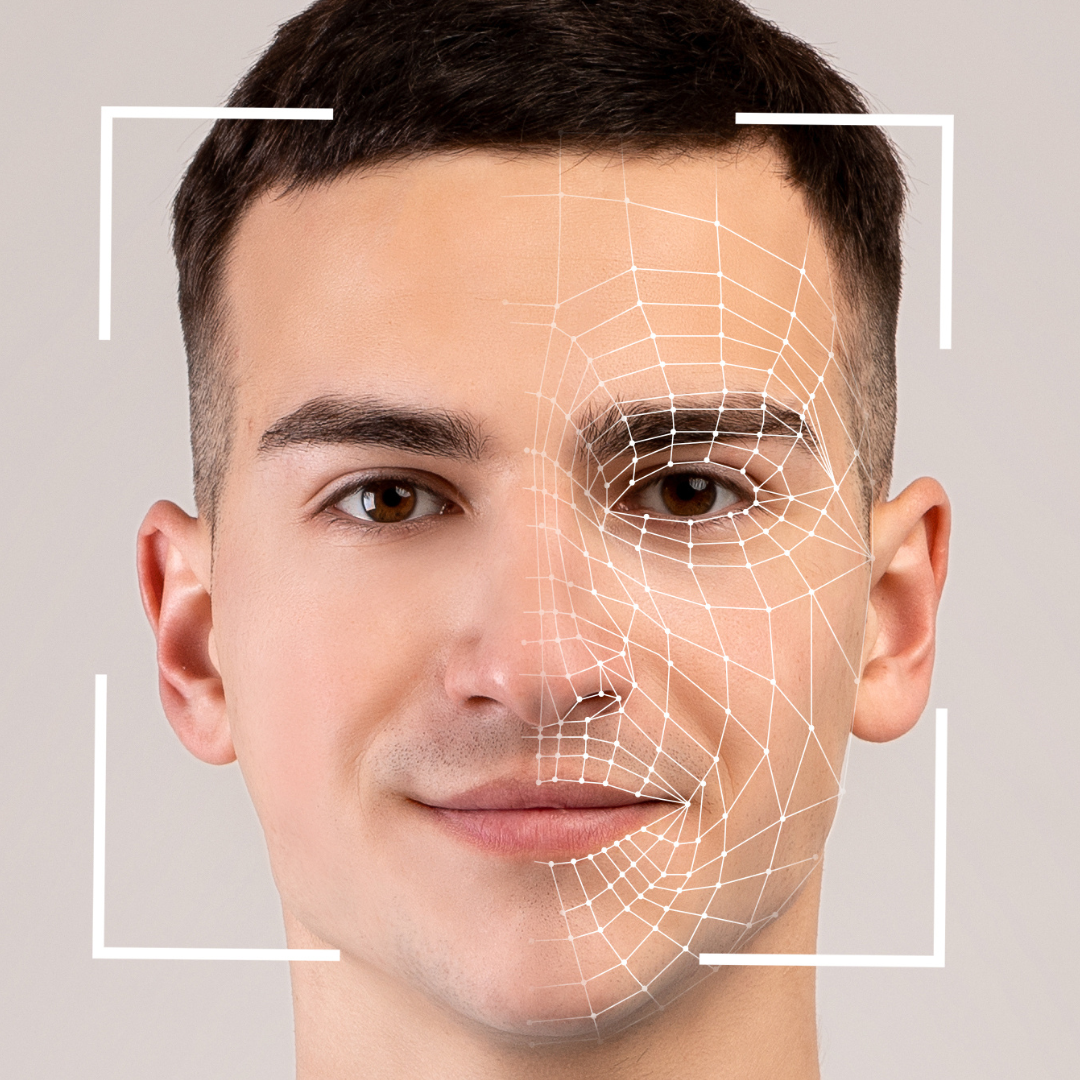
Unlike simple photo-based systems, Face ID uses 3D sensors.
The iPhone projects thousands of invisible dots onto the user's face to create a detailed facial map.
This makes fraud attempts using the following much harder:
- • Photos
- • Videos
- • Printed images
Does Face ID work in the dark?
Yes.
Since it uses infrared sensors, the system can recognize your face even without lighting.
What are the chances of someone else unlocking it?
According to Apple, the chances of someone randomly unlocking your iPhone using Face ID are extremely low.
In theory, it is much safer than simple passwords such as:
- • 123456
- • Birth dates
- • Reused passwords
Are there any risks?
Yes.
No system is perfect.
In specific situations, Face ID may present risks, especially in cases involving:
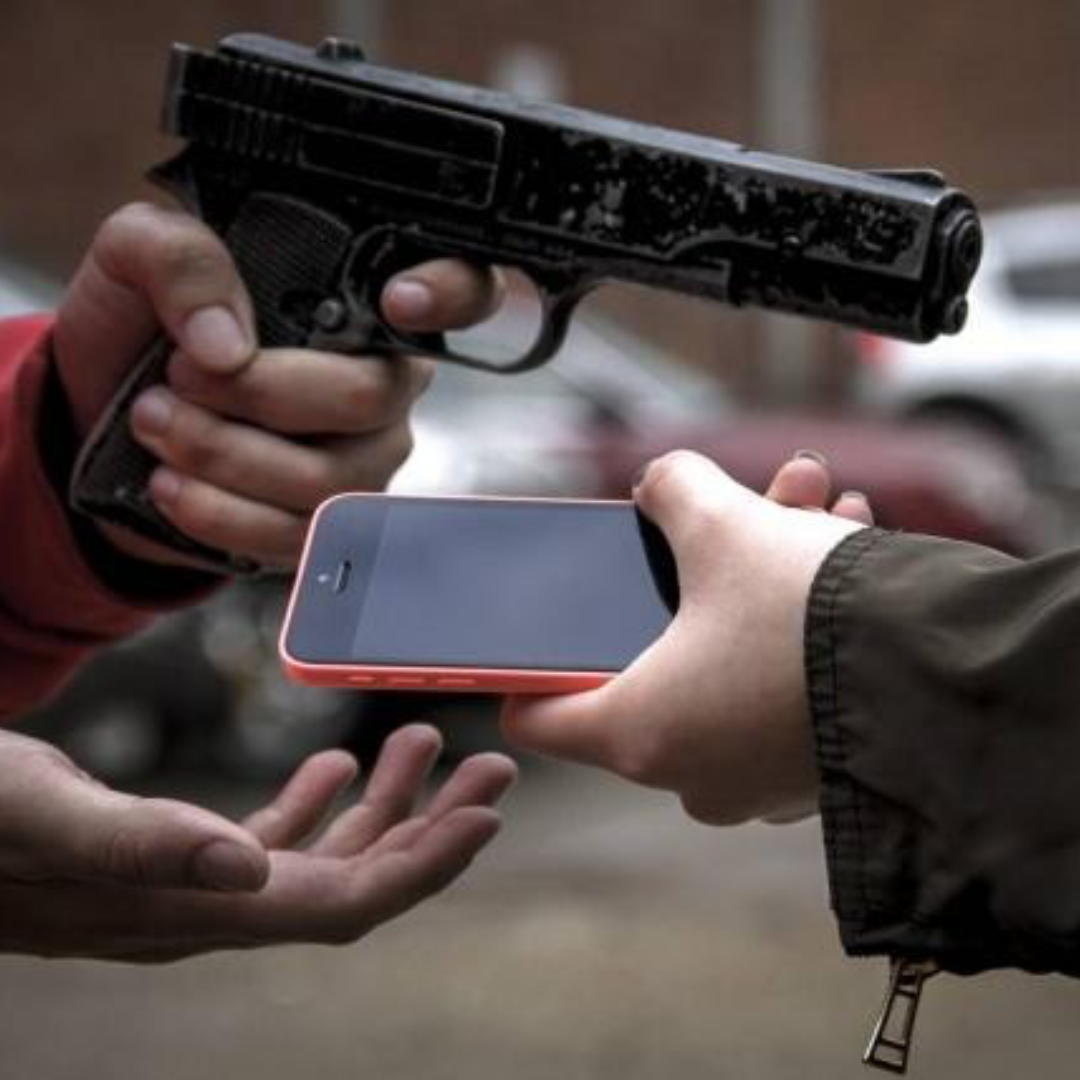
- • Device theft
- • Physical coercion
- • Access while you are sleeping
That is why the iPhone includes extra protection mechanisms.
How to quickly disable Face ID
There is an important shortcut:
Quickly pressing the side button together with a volume button temporarily disables Face ID.
After that, only the device passcode will work.
Is Face ID safer than passwords?
In practice, the ideal setup is using both together.
Face ID offers:
- • More convenience
- • Faster access
- • Less password reuse
Meanwhile, a strong password remains an essential layer of protection.
Does Face ID protect apps?
Yes.
Many apps use Face ID to block unauthorized access, including banking apps and password managers.
iSenhas uses Face ID to protect credentials and sensitive information.
In addition, the app includes extra anti-theft protection, detecting sudden movements during use and requesting authentication again.
Conclusion
Face ID is one of the most secure biometric technologies currently available.
It offers a strong combination of convenience and protection.
However, digital security does not depend only on the device, but also on user habits and the protection of online accounts.